Tetanus Risk in Children: What Parents Need to Know After Puncture Wounds and Injuries
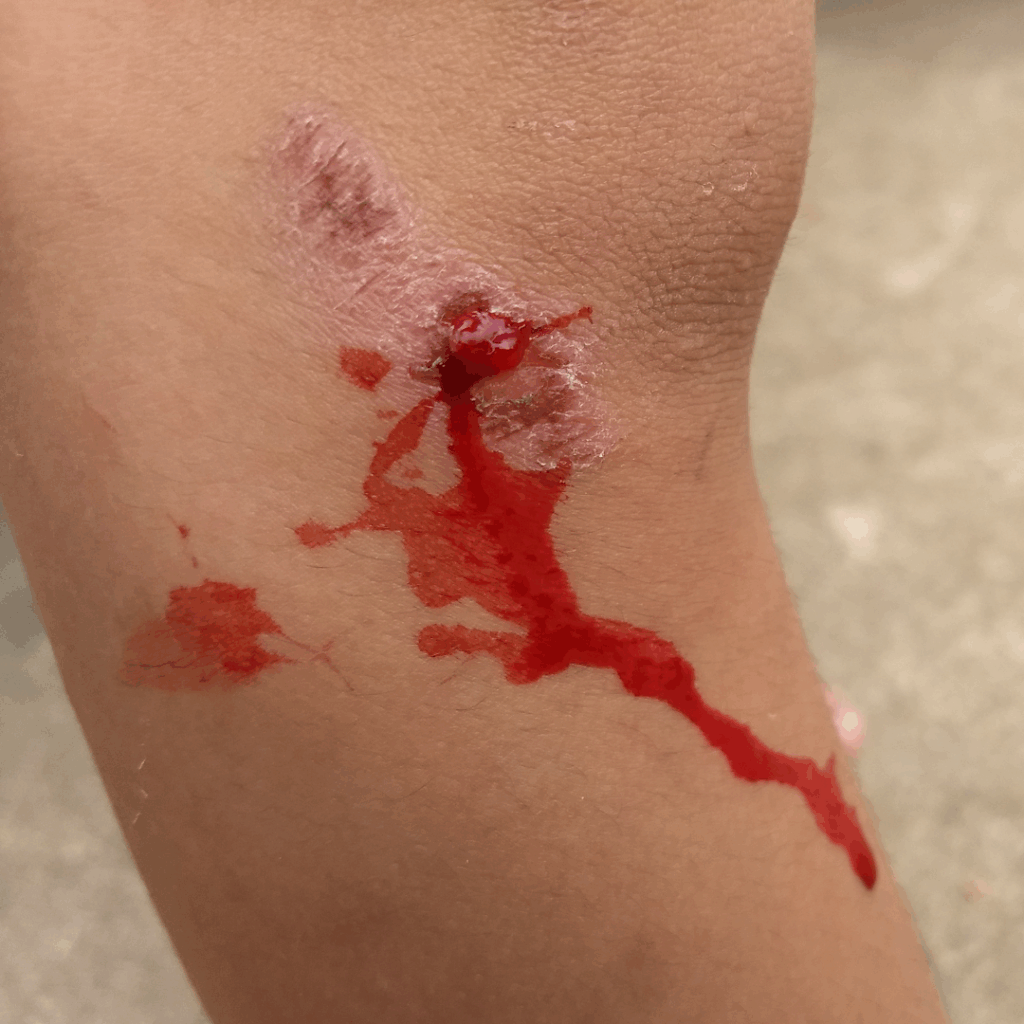
When your child gets a deep cut, puncture wound, or steps on something sharp outside, many parents immediately wonder about tetanus risk in children. The classic image people picture is stepping on a rusty nail, but tetanus risk is actually more nuanced.
Tetanus bacteria live naturally in the environment in soil, dust, and animal manure. Infection depends more on the type of wound and the conditions inside it than on the object itself.
The reassuring reality is that tetanus is extremely rare in children in the United States today. However, because the illness can be serious, it’s still important for parents to understand when risk exists and what steps to take if an injury happens.
Whether your child is vaccinated, partially vaccinated, or unvaccinated, understanding the basics of tetanus can help you make calm, informed decisions in the moment.
- Understanding Tetanus: What It Is and Why It Matters
- How Common Is Tetanus Really? Looking at the Numbers
- Who’s at Risk? Vaccination Status, Boosters, and Wound Types
- What Makes a Wound High-Risk for Tetanus?
- If Your Child Isn’t Vaccinated (or the Booster Has Expired): What to Know
- What to Do After a High-Risk Injury: Step-by-Step Protocol
- Natural Immune Support Strategies
- Making Informed Decisions About Tetanus Prevention
- FAQ
- The Bottom Line for Parents
Understanding Tetanus: What It Is and Why It Matters
Tetanus is caused by a bacterium called Clostridium tetani. These bacteria are found throughout the natural environment and can enter the body through an open wound.
What makes tetanus dangerous isn’t the bacteria themselves, it’s a toxin they produce called tetanospasmin. This toxin affects the nervous system by blocking signals that normally tell muscles to relax.
As a result, tetanus can cause:
- Muscle stiffness
- Painful muscle spasms
- Lockjaw (difficulty opening the mouth)
- Neck stiffness
- Trouble swallowing
- Severe full-body muscle contractions
Symptoms typically begin 3–21 days after exposure, with most cases appearing around 7–10 days after injury.
Because the toxin affects muscles involved in breathing, severe cases may require hospitalization and supportive care.
Fortunately, modern wound care, prevention strategies, and medical treatments have made tetanus extremely uncommon in developed countries.

How Common Is Tetanus Really? Looking at the Numbers
When discussing tetanus risk in children, it helps to look at the actual numbers.
According to the Centers for Disease Control and Prevention (CDC):
- The United States averages around 30 cases of tetanus per year across all ages. To put this in perspective: In a country of over 330 million people, that’s an incidence rate of less than 1 in 10 million people per year. For children specifically, cases are even more rare.
- Most cases occur in older adults
- Childhood cases are very rare
Many pediatricians go their entire careers without seeing a single case of tetanus in a child.
Globally, tetanus remains more common in areas without routine medical care or access to clean wound treatment. In those settings, contaminated wounds may go untreated, allowing bacteria to grow and produce toxin.
In places with strong medical systems, however, prompt wound care and access to treatment significantly reduce the risk.
This perspective can help parents move away from fear and toward practical prevention and preparedness.
Who’s at Risk? Vaccination Status, Boosters, and Wound Types
When doctors evaluate tetanus risk in children, they typically look at two main factors:
- The type of wound
- A child’s immune protection against tetanus
IMMUNE PROTECTION
Some children receive tetanus protection through vaccination, typically given in childhood combination vaccines such as DTaP. Protection gradually decreases over time, which is why booster doses are often recommended. While 10-year boosters are standard, research suggests protection may last closer to 30 years.
However, immunity levels can vary, and tetanus risk assessments are usually made based on both vaccination history and the nature of the injury.
WOUND ENVIRONMENT
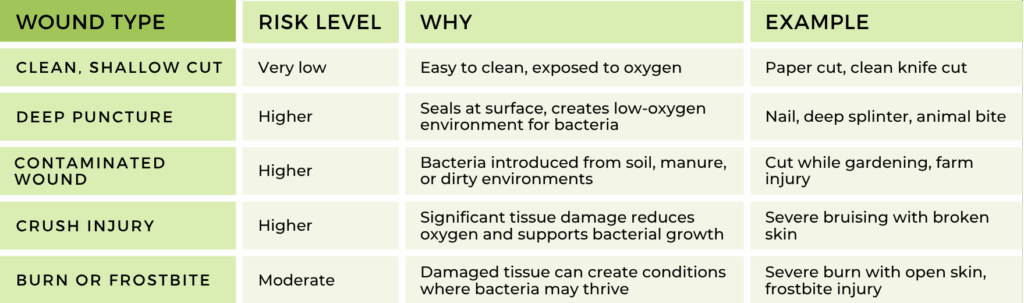
The bacteria that cause tetanus grow best in low-oxygen environments, which means certain types of wounds create better conditions for bacterial growth.
Because of this, the type of injury often matters more than the object involved.

What Makes a Wound High-Risk for Tetanus?
If Your Child Isn't Vaccinated (or the Booster Has Expired): What to Know
One common misconception is that if a child isn’t vaccinated, tetanus infection is inevitable after an injury. In reality, several conditions must occur for tetanus to develop.
For infection to happen:
- The bacteria must enter through a wound
- The wound must allow the bacteria to grow
- Enough toxin must be produced to affect nerves
If your doctor determines that a wound carries significant tetanus risk, they may recommend tetanus immune globulin (TIG).
⚠️ UNDERSTANDING TETANUS TREATMENTS AFTER INJURY
Tetanus Immune Globulin (TIG)
- What it is: Ready-made antibodies
- How fast it works: Immediate protection
- When it’s used: High-risk wounds needing immediate protection
- How it works: Neutralizes tetanus toxin already in the body
Tetanus Vaccine
- What it is: Stimulates your body to make antibodies
- How fast it works: Takes several weeks to develop protection
- When it’s used: Building future immunity
- Important note: Does NOT prevent tetanus from the current wound
This is why doctors may recommend TIG after a high-risk injury in unvaccinated or under-vaccinated children—it provides the immediate protection the vaccine cannot.

What to Do After a High-Risk Injury: Step-by-Step Protocol
If your child experiences a puncture wound or contaminated injury, following a clear plan can dramatically reduce risk.
STEP 1: Rinse the wound thoroughly
- Immediate irrigation is one of the most important steps.
- Hold the wound under running water for several minutes to wash away debris and bacteria.
STEP 2: Wash with soap
- Gently clean the surrounding skin with soap and water.
STEP 3: Remove visible debris
- Use clean tweezers to remove splinters or dirt if easily accessible.
- If debris is embedded deeply, medical care may be necessary.
STEP 4: Allow mild bleeding
- A small amount of bleeding can help flush contaminants from the wound.
STEP 5: Apply antiseptic and bandage
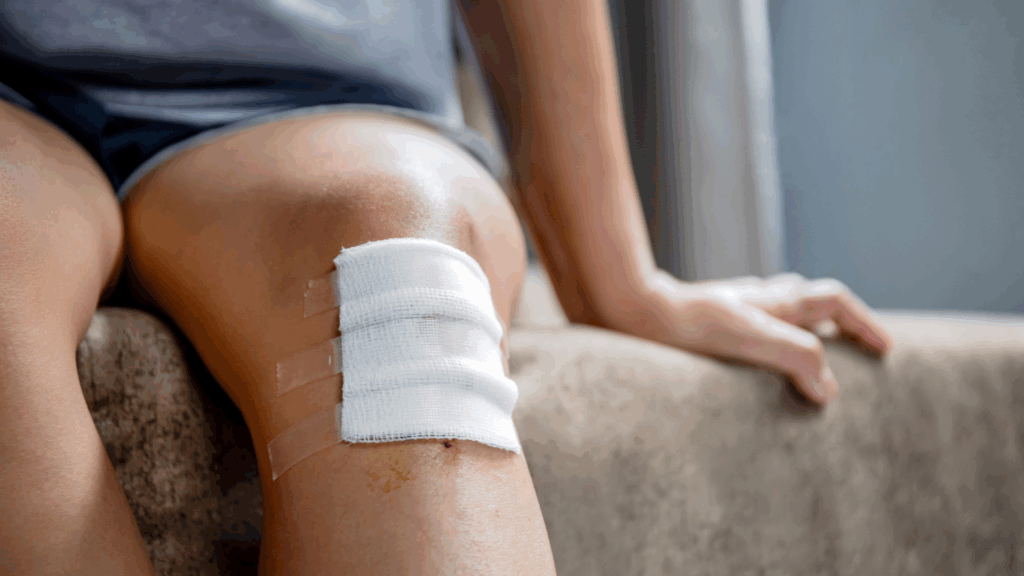
- After cleaning, apply a mild antiseptic like hypochlorous acid and cover with a clean dressing.
STEP 6: Seek medical evaluation if needed
Medical care may be appropriate if:
- The wound is deep or puncture-type
- There is soil or manure contamination
- The injury involves an animal bite
- The wound cannot be fully cleaned
Your doctor can determine whether tetanus immune globulin or additional treatment is appropriate.
Natural Immune Support Strategies
While wound cleaning and appropriate medical care are the primary ways to prevent infection, supporting the body’s natural healing process by focusing on nutrients that support immune function and tissue repair can be helpful.
VITAMIN C
Vitamin C supports immune defense, collagen production, and tissue repair.
Foods rich in vitamin C include:
- Citrus fruits
- Strawberries
- Kiwi
- Bell peppers.
ZINC
Zinc plays an important role in wound healing.
Good dietary sources include:
- Pumpkin seeds
- Grass-fed beef
- Lentils
- Chickpeas
ADEQUATE PROTEIN
Protein is essential for rebuilding damaged tissue after injury.
Good protein sources include:
- Eggs
- Meat
- Fish
- Dairy
- Beans, or legumes
PROPER WOUND CARE
Keeping wounds clean, allowing appropriate drainage, and monitoring for signs of infection may be the most important supportive strategy of all.

Making Informed Decisions About Tetanus Prevention
Parents approach tetanus prevention in different ways depending on their family’s health philosophy.
Some families follow the routine vaccination schedule, while others choose delayed or selective vaccination or prefer to rely on careful wound management and post-exposure treatment if needed.
Understanding the science behind tetanus, the rarity of the infection, and the treatment options available after injuries can help families make calm, informed decisions that feel right for their situation.
Having a plan ahead of time can also reduce panic. Many parents feel overwhelmed when an injury happens simply because they haven’t thought through their options beforehand.
Education empowers families to respond calmly and confidently when situations arise.
FAQs About Tetanus
HOW DO YOU GET TETANUS?
Tetanus occurs when Clostridium tetani bacteria enter the body through a wound, usually from contaminated soil, dust, or manure.
CAN YOU GET TETANUS FROM A CLEAN CUT?
It is very unlikely. Clean, shallow cuts that are promptly washed carry extremely low risk.
HOW LONG DOES TETANUS VACCINE PROTECTION LAST?
Protection from the tetanus vaccine typically lasts around 10 years, which is why booster doses are commonly recommended periodically.
WHAT ARE EARLY SIGNS OF TETANUS?
Early symptoms may include:
- Jaw stiffness
- Neck stiffness
- Difficulty swallowing
- Muscle tightness near the injury
Symptoms usually appear within 3–21 days after exposure.
Final Thoughts on Tetanus
Tetanus is often talked about in ways that create fear, but understanding the facts provides reassurance.
The infection is very rare in children, especially in places where good wound care and medical treatment are available.
For parents, the most important steps are simple:
- Clean wounds thoroughly
- Recognize which injuries carry higher risk
- Seek medical care when needed
- Understand available prevention and treatment options
When parents understand the real tetanus risk in children, they’re better prepared to respond calmly and make informed decisions if their child experiences an injury.
Looking for More Resources? We've Got You Covered!