
Red Light Therapy for Kids and During Pregnancy: Benefits, Uses and Safety
Red light therapy (RLT) has become increasingly popular, and for good reason. The appeal is simple, it’s gentle, non-invasive, and aims to support the body’s own healing systems.
If you’ve seen panels, wands, or lamps around and wondered, “How can I use red light therapy for kids?” or “Is it safe during pregnancy?” We are going to discuss all the great uses and why it’s a staple in my home.

Affiliate Disclaimer: Some of the links in this article are affiliate links, which means we may earn a commission if you make a purchase through those links at no additional cost to you. We only recommend products that we believe in and have personally used or thoroughly researched. Your support helps us continue to provide valuable content.
What Is Red Light Therapy?
Red light therapy uses very specific wavelengths of light, primarily:
- Red light (630–660 nm)
- Near-infrared light (810–850 nm)
These wavelengths penetrate the skin differently:
➡️ Red supports surface-level tissues (skin, lymph, superficial nerves)
➡️ Near-infrared (NIR) reaches deeper (muscles, joints, fascia)
Neither contains UV, so there’s no tanning, burning, or radiation risk. Thank goodness!
If you’re reading this and thinking, “I love this idea but still have questions…” Inside the Doctor Mom Membership, questions about tools like red light therapy come up all the time: how often to use it, what devices are worth it, what’s safe for kids or during pregnancy, and when to skip it altogether.
It’s a space where you can lean on a community of like-minded moms who are in this season with you (or who’ve already walked it), alongside ND-informed guidance to help you feel confident instead of second-guessing yourself. Motherhood was never meant to be done alone.
How It Works in the Body
At a cellular level, these wavelengths interact with mitochondria. Remember the powerhouse of the cell? The mitochondria is the part of the cell that makes energy (ATP).
Here’s what happens when cells absorb red or NIR light:
ATP Production Increases. Cells have more energy to repair, regenerate, and function optimally.
Inflammation Pathways Calm Down. RLT reduces oxidative stress and modulates inflammatory markers which is helpful for skin irritation, sore muscles, and chronic conditions.
Improved Microcirculation. More blood flow = better oxygen and nutrient delivery to tissues.
Collagen & Fibroblast Activity Increases. This supports wound healing and skin repair.
All of these mechanisms explain the wide range and far-reaching effects RLT has and why it can be so helpful in so many different ways.
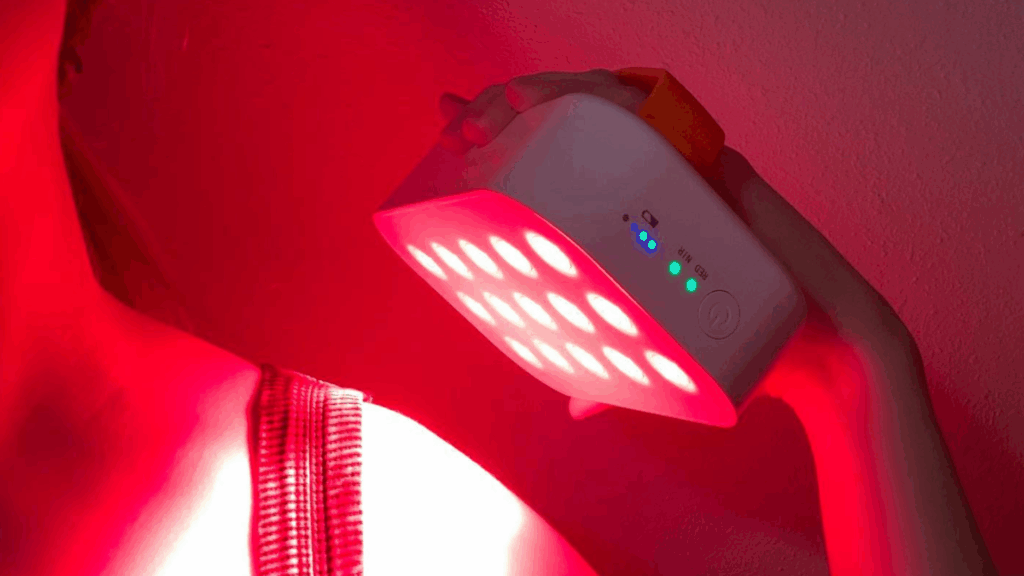
How Doctor Moms Are Using Red Light Therapy for Kids and in Pregnancy
Kids get scrapes, bumps, and flare-ups all the time, and RLT can be a gentle, supportive tool. Here’s a look at some of the most common situations families explore, and what’s happening behind the scenes.
1. Scrapes, Cuts & Skin Irritations
We all know that playground scrapes and minor cuts are inevitable. RLT can help by giving those cells a little extra “fuel” to heal.
- How it works: The light stimulates mitochondria in skin cells, which boosts energy production (ATP). More energy means your cells can rebuild faster. It also calms local inflammation and improves circulation so oxygen and nutrients reach the injured tissue.
- Doctor Mom example: After a scraped knee, a minute or two of gentle red light a few times a week can support faster healing alongside good wound care.
2. Eczema & Flare-Ups
Eczema is inflammatory, itchy, and frustrating for kids (and parents!). Red light can help calm that irritation.
- How it works: RLT reduces inflammatory signaling in skin cells, helps strengthen the skin barrier by supporting collagen production, and even calms itch signals in superficial nerves.
- Doctor Mom example: Short sessions on a red, itchy patch during flare-ups, combined with moisturizer and trigger management, can help soothe discomfort.
3. Sore Muscles & Sports Recovery
Growing kids and teens in sports often get sore muscles or experience “growing pains.” RLT may support recovery naturally.
- How it works: Near-infrared light penetrates deeper tissues, helping muscle cells produce more energy, reducing inflammation, and improving circulation. This speeds up recovery from activity or minor strains.
- Doctor Mom example: After a weekend soccer tournament, a few minutes of RLT on sore calves or thighs can help kids bounce back faster.
4. Everyday Aches & Comfort Support
Some families use RLT to support kids through common, everyday discomforts like mild ear pain, tummy aches, or those vague “I don’t feel good” days that seem to come and go.
How it works: Red and near-infrared light can support circulation and calm low-grade inflammation while helping cells produce more energy. By supporting nervous and immune system signaling, RLT may help the body settle and feel more comfortable during minor aches.
Doctor Mom example: When a child complains of a mild tummy ache or ear discomfort, some moms use a short, gentle session near the area (never inside the ear and always at low intensity) to support comfort, alongside rest, hydration, and other supportive care.

Safety First: Tips for Moms & Kids
When it comes to red light therapy, safety really is key, especially for little ones and moms-to-be. Think of it like giving your body a gentle boost rather than turning it into a full-on treatment. A few simple rules can make all the difference.
- Start Low and Go Slow. Kids’ bodies are naturally resilient, and they often respond quickly. That’s why it’s smart to begin with just 30–60 seconds per area, using a low-intensity setting, a couple of times per week. Watch how your child reacts, and only increase time or frequency gradually if they tolerate it well. Think of it like dipping your toes into a pool rather than diving in headfirst.
- Protect Those Eyes. Red light is bright, and eyes are sensitive, especially little ones’. Make sure kids don’t stare directly at the light, and consider goggles if the device is strong or held close.
- Skip Heat-Producing Devices. True red light therapy should feel gentle, not hot. If a device gets warm enough to be uncomfortable, it can irritate delicate skin, so always choose LEDs that stay cool to the touch.
- Choose a Quality Device. Not all devices are created equal. Look for one with published wavelengths, FDA clearance or medical-grade LEDs, and avoid products that use vague marketing terms like “laser-level penetration.” Investing in a reliable device ensures you’re getting the benefits safely. You can find my favorite here!
Red light therapy is a gentle tool that supports the body’s own healing mechanisms. For kids and moms-to-be, it can be used in small, thoughtful doses to complement natural healing and can be a great addition to a Doctor Mom’s toolkit.
And this is exactly what the Doctor Mom Membership is about.
Giving you practical tools like red light therapy, and the confidence to know how and when to use them, while surrounding you with moms who are navigating the same stages of motherhood.
Whether you’re supporting little bodies, growing a baby, or caring for yourself in the process, you deserve guidance, community, and reassurance along the way. You don’t have to do this alone, and you’re doing an incredible job showing up for your family.
Looking for More Resources? We've Got You Covered!
