
Measles in Children: What Parents Need to Know About Symptoms, Vaccine Decisions and Natural Support
Measles headlines are everywhere. One article warns of dangerous outbreaks. Another says it’s all exaggerated. Social media swings between alarm and dismissal.
Thoughtful parents are stuck in the middle, asking: Did I make the right choice? Am I prepared if my child gets sick? What would I actually do if measles showed up?
The panic most parents feel isn’t about measles itself. It’s about feeling unprepared.
Here’s what changes that: having a plan for both scenarios.
Understanding Measles in Children
Measles is a highly contagious viral illness that historically infected the majority of children before modern vaccination programs were introduced. Because vaccination has reduced the number of cases in many countries, many parents today have never seen measles firsthand. This unfamiliarity can make the illness feel more frightening than it might have felt to previous generations who experienced it more commonly.
Symptoms usually begin 7 to 14 days after exposure. The early stage of measles often looks similar to many viral illnesses children experience.
Common early symptoms include: fever (which can become high), runny nose, persistent cough, red or watery eyes, fatigue, and sensitivity to light.
Some children also develop Koplik spots, small white spots that appear inside the mouth a day or two before the rash emerges.
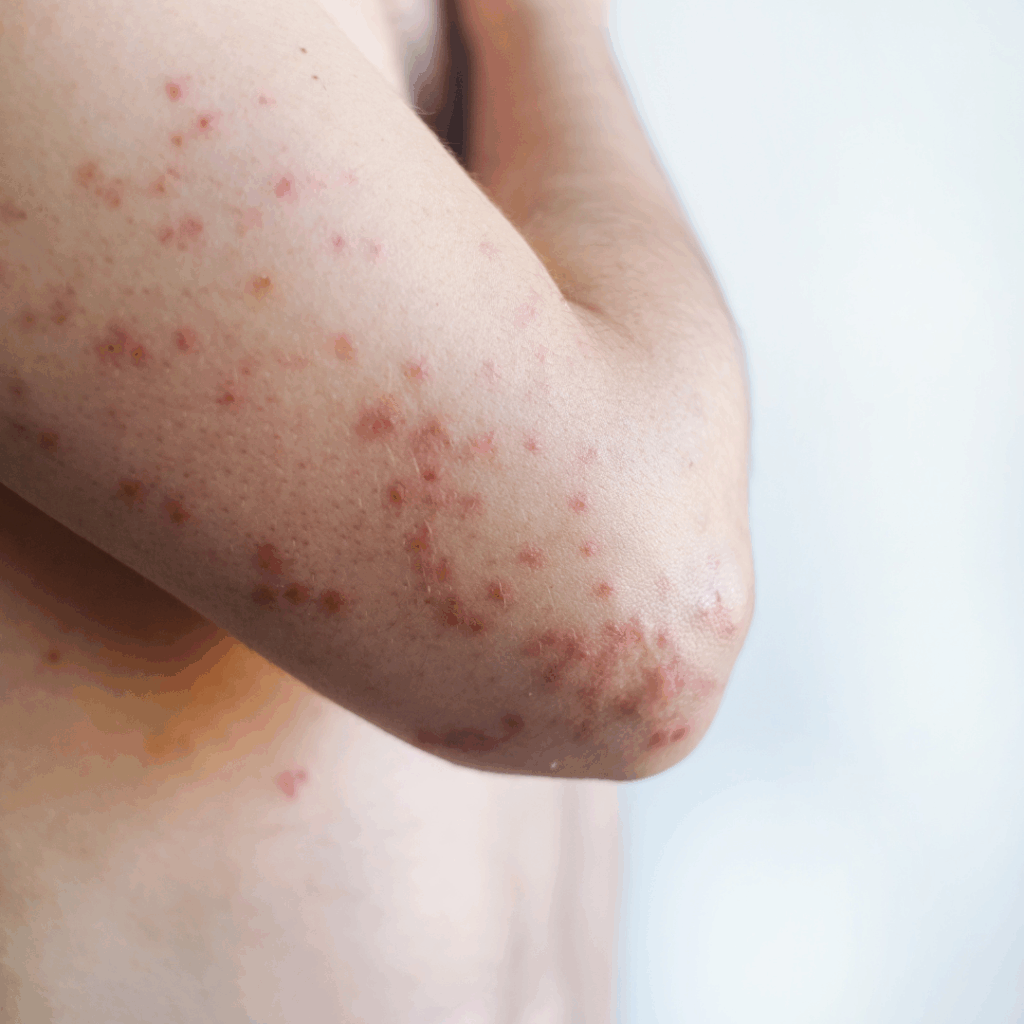
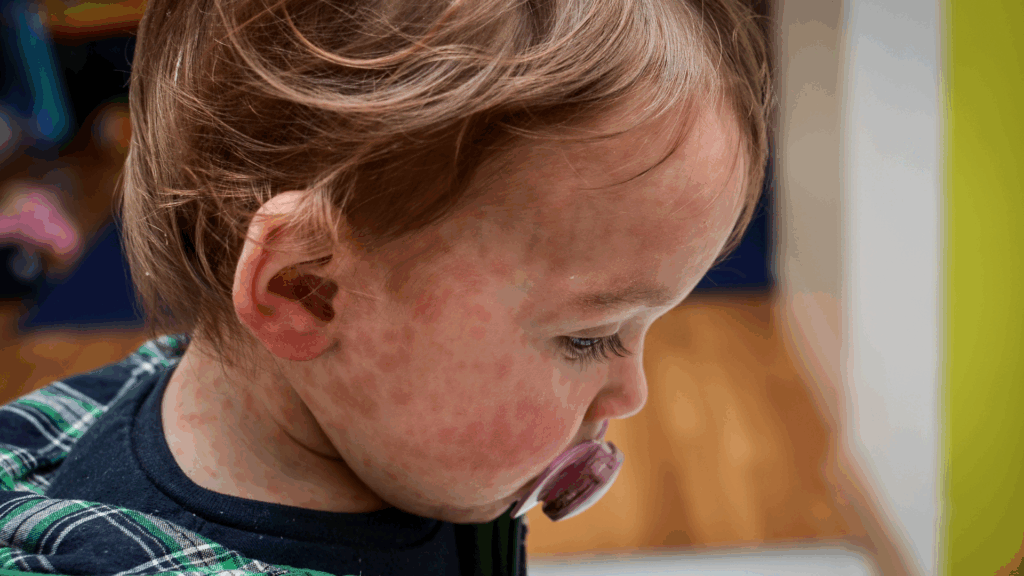
The characteristic measles rash typically appears several days after the fever begins. It usually starts along the hairline or face and spreads downward across the body over the course of a few days. The rash appears as red blotchy spots that may merge together as it progresses.
For many children, symptoms gradually improve as the rash fades.
How Measles Spreads
Measles spreads through respiratory droplets when an infected person coughs, sneezes, or breathes near others. It is considered one of the most contagious viruses known.
What makes measles particularly easy to spread is that the virus can remain in the air for up to two hours after an infected person leaves the area. A child who enters the same room during that time can still be exposed.
Another important factor is that children with measles are contagious before the rash appears. A child is typically contagious:
- Four days before the rash
- And four days after the rash begins
This means transmission can occur before parents even realize their child has measles.
Potential Complications with Measles
For many children, measles is a self-limited illness that resolves with supportive care. However, complications can occur, particularly in vulnerable populations.
Possible complications include:
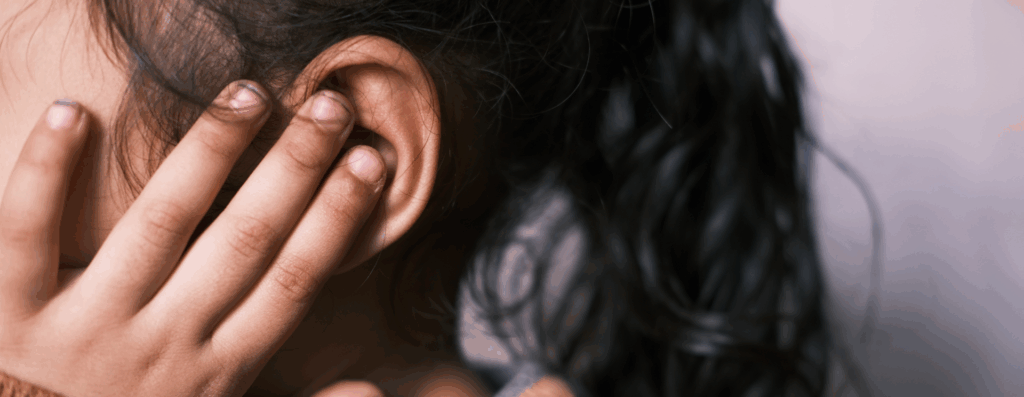
- Ear infections
- Pneumonia
- Dehydration
- Febrile seizures
- Rare neurological complications
Infants, immunocompromised individuals, and malnourished children are generally considered at higher risk for complications.
Understanding these possibilities helps parents remain attentive while also recognizing that most cases resolve without severe outcomes.
The Measles Vaccine: Navigating an Emotional Decision
For many families, the most difficult part of the measles conversation isn’t the illness itself… It’s the decision about vaccination.
Parents often encounter strong opinions on both sides of the conversation. Some voices frame vaccination as the only responsible choice. Others frame it as something parents should avoid. When information is presented in extremes, thoughtful parents are left trying to sort through it all.
Every medical choice involves weighing risks and benefits. Vaccines offer protection but can have side effects. Not vaccinating means your child could contract the illness. Both paths carry considerations.
This is why many families benefit from a structured way to think through the decision rather than reacting to pressure or fear.
Inside the Vaccine Empowerment Program (VEP), parents learn how to evaluate vaccine information in a balanced way. The program helps families understand risk, timing, individual health factors, and how to prepare children whether they ultimately choose vaccination or not.
The goal isn’t persuasion. The goal is clarity and confidence, so parents can make informed decisions that align with their family’s health philosophy and circumstances.

Supporting Children Naturally if Measles Occurs
Parents who choose not to vaccinate, or whose children become ill despite vaccination, often want to understand how to support measles naturally while still practicing responsible medical care.
Natural support focuses on strengthening the body’s ability to fight infection and keeping children comfortable during the illness.
Several key areas are commonly emphasized.
Rest and Hydration
Rest allows the immune system to direct energy toward fighting infection. Children with measles often feel tired and sensitive to light, so a quiet, dim environment can be helpful.
Hydration is also essential, particularly when fever is present. Water, broths, electrolyte beverages, and herbal teas appropriate for children can help maintain hydration.
Nutritional Support
Nutrient-dense foods support immune recovery. Many practitioners encourage foods that are easy to digest and rich in vitamins and minerals, such as soups, broths, cooked vegetables, and fruits.
Vitamin A and Measles
One of the most widely recognized nutritional interventions for measles is vitamin A supplementation.
The World Health Organization (WHO) recommends high-dose vitamin A for children diagnosed with measles because research has shown it can reduce complications and improve outcomes, particularly in populations where vitamin A deficiency is present.
WHO guidelines typically recommend:
- 200,000 IU of vitamin A for children over 12 months
- 100,000 IU for infants 6–11 months
- 50,000 IU for infants under 6 months
These doses are generally given once daily for two consecutive days under medical supervision.
Because these doses are significantly higher than standard daily vitamin recommendations, vitamin A supplementation for measles should always be guided by a healthcare professional.
Fever Support
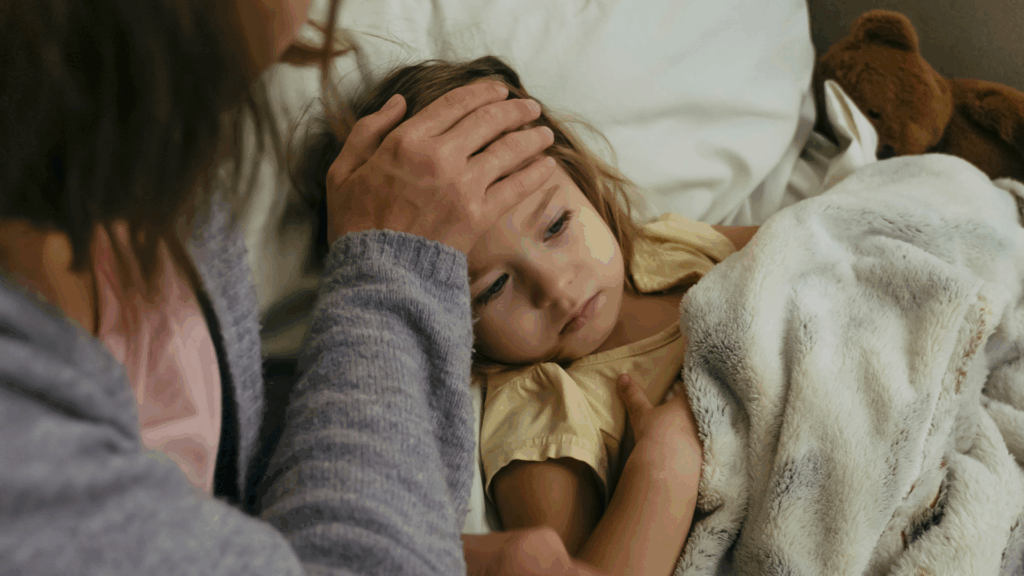
Fever is part of the body’s immune response. Instead of immediately suppressing fever, many families focus on maintaining comfort and monitoring the child carefully.
Supportive approaches may include hydration, lightweight clothing, and lukewarm baths.
Skin Soothing During the Rash
As the rash develops, some children experience itching or discomfort. Oatmeal baths, aloe vera, and gentle calendula creams are commonly used to soothe irritated skin.
When Medical Care Is Necessary
Natural support and responsible medical care are not mutually exclusive. Parents should seek medical evaluation if a child with measles experiences symptoms such as:
- Difficulty breathing
- Persistent high fever
- Severe lethargy or confusion
- Signs of dehydration
- Ear pain
- Seizures
- Symptoms that worsen instead of improve
Infants and children with compromised immune systems should receive prompt medical care if measles exposure or illness is suspected.
Knowing when to seek help is part of caring for a child responsibly.
If you see any of these signs, don’t wait. Call your pediatrician or seek urgent care immediately. This isn’t about panic, it’s about being prepared to act when needed.
Why Having a Plan Changes Everything
The intense fear that often appears during disease outbreaks rarely comes from the illness alone. It usually arises because parents feel they don’t know what they would do if their child became sick.
Preparation removes that uncertainty.
Families who feel calm typically have thought through both scenarios. If they choose vaccination, they understand how to support their child’s immune system and manage potential reactions. If they choose not to vaccinate, they know how they would respond if their child becomes ill and what treatments are available.
Having a plan allows parents to respond thoughtfully rather than react from fear.
Confidence Comes From Preparation
Every parent ultimately wants the same thing: healthy children and the peace of mind that they are making thoughtful decisions.
When you understand the realities of measles in children, the considerations around the measles vaccine, and how to support measles naturally if illness occurs, the conversation becomes far less overwhelming.
Preparation won’t remove every risk. But it replaces panic with a plan. And that changes everything. When parents feel informed and supported, they can make calm, confident decisions for their families.
FAQ about the Measles
What are the first signs of measles in children?
Measles usually begins with symptoms similar to a common viral illness. Early signs often include fever, cough, runny nose, red or watery eyes, fatigue, and sensitivity to light. A few days later, a red blotchy rash typically appears, starting on the face or hairline and spreading downward across the body. Some children also develop small white spots inside the mouth called Koplik spots shortly before the rash begins.
Is measles dangerous for children?
For many children, measles is a self-limited illness that resolves with supportive care. However, complications can occur in some cases, including ear infections, pneumonia, dehydration, febrile seizures, and rare neurological complications. Infants, immunocompromised children, and those with nutritional deficiencies may be at higher risk for complications, which is why monitoring symptoms and seeking medical care when necessary is important.
What does the World Health Organization recommend for treating measles?
The World Health Organization recommends high-dose vitamin A supplementation for children diagnosed with measles because it has been shown to reduce complications and support recovery. WHO guidelines typically recommend two doses given on consecutive days:
- 200,000 IU for children over 12 months
- 100,000 IU for infants 6–11 months
- 50,000 IU for infants under 6 months
These doses should always be given under medical supervision because they are significantly higher than normal daily vitamin recommendations.
Can measles be treated naturally at home?
Many families choose to support their child’s recovery using natural approaches alongside responsible medical care. Natural support often focuses on rest, hydration, nutrient-dense foods, immune-supportive nutrients like vitamin A (with professional guidance), fever comfort measures, and soothing care for the rash. Knowing when to seek medical care is an important part of responsible natural treatment.
How can parents feel more confident about decisions around measles and vaccines?
Confidence often comes from preparation. Parents benefit from understanding the potential outcomes of their choices and having a plan for either scenario. Programs like the Vaccine Empowerment Program help families evaluate vaccine decisions with balanced information, while resources like the Doctor Mom Membership provide step-by-step natural remedy protocols and access to naturopathic doctors so parents feel prepared if their child becomes ill.
Looking for More Resources? We've Got You Covered!
