
How to Prevent Hand Foot and Mouth from Spreading
With kids constantly exploring, touching, and interacting with everything around them, preventing the spread of illnesses is always a top priority. One particularly tricky virus to manage is Hand, Foot, and Mouth Disease (HFMD). It’s highly contagious, has no curative treatment, and is common among young children. But did you know that zinc can play an incredible role in stopping this virus in its tracks?
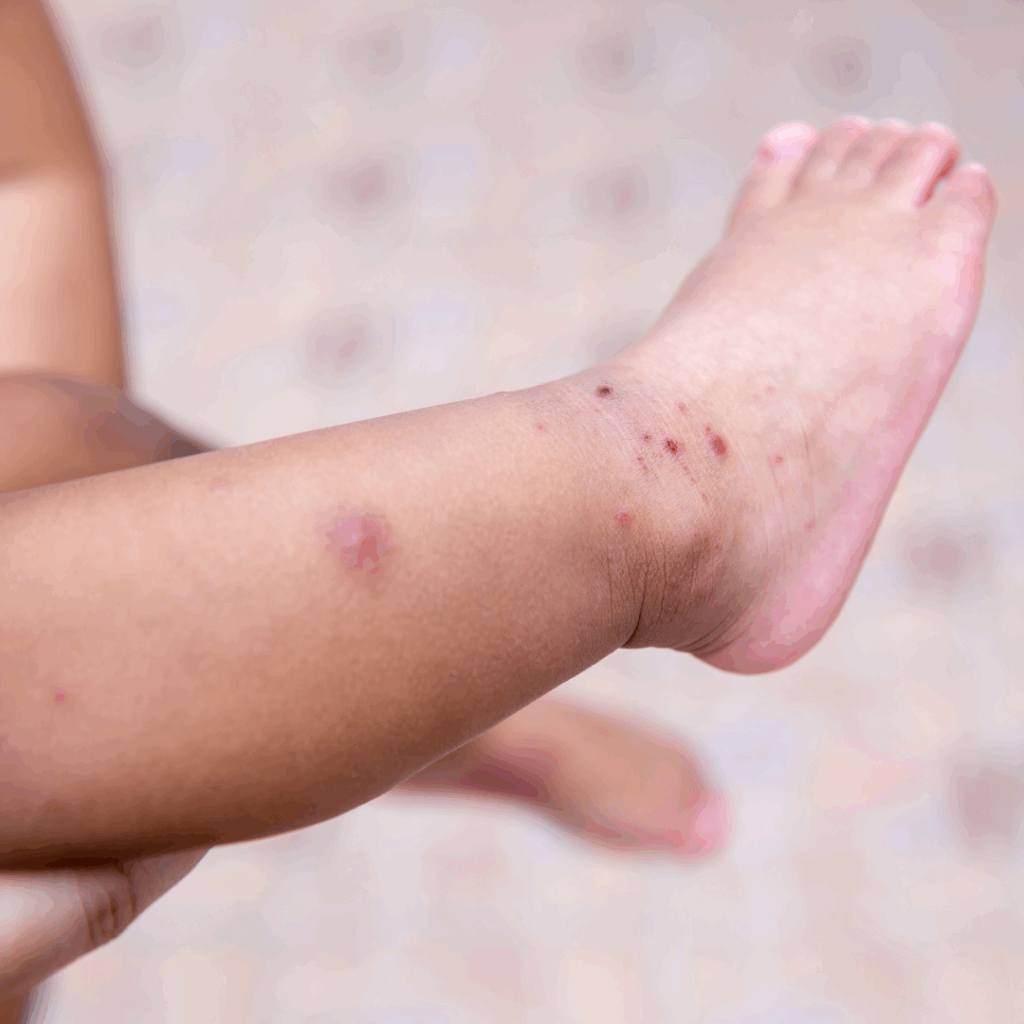
Understanding Hand Foot and Mouth Disease
HFMD is caused by various enteroviruses, with the most common being the coxsackie virus. It typically affects children under five and is characterized by fever, sores in the mouth, and a rash on the hands and feet. The virus spreads through contact with an infected person’s nasal secretions, saliva, stool, or fluid from blisters. This means it can quickly make its way through daycare centers, schools, and playgrounds where kids are in close contact with each other.
If your child is running a fever alongside the rash, the free Doctor Mom Fever Protocol is a helpful resource to have on hand so you know exactly when to manage at home and when to call the doctor.
Treatment of Hand Foot and Mouth Disease
There is no treatment to cure HFMD; therefore, conventional treatments primarily focus on relieving symptoms. Over-the-counter pain relievers such as acetaminophen or ibuprofen can help reduce fever and alleviate pain from mouth sores. If you want to reduce your child’s reliance on acetaminophen, check out our post on natural Tylenol substitutes for gentle options that support the body’s natural response rather than suppressing it.
The Role of Zinc in Hand Foot and Mouth Disease
Zinc is a mineral essential for a healthy immune system and has been shown to have antiviral properties. Research indicates that zinc can actually inhibit the replication of several viruses, including those responsible for HFMD!
By preventing the virus from multiplying, zinc helps reduce the severity and duration of the infection and lowers the risk of it spreading to others. Zinc’s ability to stop the virus AND boost immune function makes it a powerful tool for keeping kids healthy during outbreaks.
👀 Want the complete Hand, Foot & Mouth plan?
Inside the Doctor Mom Membership, you’ll find our full HFMD protocol with step-by-step natural support strategies.
How to Incorporate Zinc
There are several ways zinc can be used to help prevent and support a HFMD infection so families can choose what works best for them.
Dietary Sources of Zinc:
Ensuring children get enough zinc through their diet is a great way to support their immune health and help prevent HFMD.
- Meat and Seafood: Beef, chicken, and shellfish (like oysters) are excellent sources of zinc.
- Legumes and Seeds: Chickpeas, lentils, pumpkin seeds, and sesame seeds are fantastic plant-based sources of zinc.
- Nuts and Dairy: Cashews, almonds, and dairy products like cheese and milk also offer good amounts of zinc.
Zinc Supplements:
During acute illness, the body may need more zinc than what is typically consumed in food. In these cases, you might consider a zinc supplement. Zinc supplements can be a reliable way to make sure your children are getting the immune support they need, especially during high-risk times.
Topical Zinc:
Zinc oxide creams are often used to treat and protect the skin from irritations. While they don’t prevent HFMD, applying zinc oxide to the rash can reduce discomfort and promote faster healing, providing much-needed relief.
Natural remedies like zinc can be powerful tools, especially in conditions like HFMD where conventional treatments are for only supportive symptom care. Being able to stop the virus from replicating can mean a shorter and less severe illness, and kids can get back to being happy and healthy sooner! For more on how to protect the rest of your household when one child comes down with something contagious, check out our guide on how to keep the whole family healthy when one child gets sick.
💥 Want to Stop Hand, Foot & Mouth Before It Spreads Through Your Whole House?
Zinc is just one tool. Inside the Doctor Mom Membership, you’ll get access to the full HFMD protocol, including:
✔️ Exact supplement doses by age
✔️ Natural remedies to ease mouth pain and rash
✔️ Immune support tips to protect your whole family
Be ready before the next daycare outbreak.
Frequently Asked Questions About Hand Foot and Mouth Disease
How long is hand, foot and mouth disease contagious?
HFMD is most contagious during the first week of illness, when fever and mouth sores are typically present. However, the virus can continue to spread for days to weeks after symptoms clear, since it can be shed in stool for several weeks. This is why good hygiene habits, especially handwashing and diaper changes, are so important even after your child appears to have recovered.
Can adults get hand, foot and mouth disease from their kids?
Yes. Adults can contract HFMD, though symptoms are often milder or even absent in adults with stronger immune systems. Parents and caregivers who are closely involved in diaper changes, wiping noses, and comforting sick little ones are the most likely to be exposed. Washing hands thoroughly and avoiding contact with fluid from blisters is the best way to protect yourself while caring for your child.
How do I know if my child has hand, foot and mouth disease or something else?
The hallmark signs of HFMD are distinct: a fever that often appears first, followed by painful sores inside the mouth, and a rash or blisters on the hands, feet, and sometimes the buttocks. The combination of all three is a strong indicator. That said, some children only show one or two of these symptoms. If you’re unsure, your pediatrician can usually confirm the diagnosis by examining the sores and rash.
What helps hand, foot mouth mouth pain at home?
Mouth sores are often the most uncomfortable part of HFMD for young children, especially since they can make eating and drinking painful. Cold foods like popsicles, chilled yogurt, and cold water can help soothe soreness. Avoiding acidic or salty foods during the illness can also prevent further irritation. Topical zinc oxide on the hand and foot rash can reduce itching and promote faster skin healing.
Should I send my child to daycare or school with hand, foot and mouth disease?
No. HFMD spreads easily in group settings, and most daycares and schools require children to stay home until they are fever-free and symptoms are improving. Even after the rash fades, the virus can still spread. Keep your child home until they are clearly on the mend and no longer running a fever. When in doubt, call the school or daycare director to ask about their specific return-to-care policy.
Does zinc really help with hand foot and mouth disease?
Yes, and the research backs it up. Studies show that zinc can inhibit the replication of enteroviruses, the family of viruses responsible for HFMD. By interfering with how the virus multiplies, zinc can reduce both the severity of symptoms and how long the illness lasts. Starting zinc supplementation at the first sign of infection gives it the best chance to work. Dietary zinc from foods like pumpkin seeds, beef, and legumes can also help as ongoing prevention during outbreak season.
When should I take my child to the doctor for hand foot and mouth disease?
Most cases of HFMD resolve on their own within 7 to 10 days with supportive care at home. Seek medical attention if your child shows signs of dehydration from refusing to drink due to mouth pain, if the fever is very high or lasts more than 3 days, if the rash looks infected or is spreading rapidly, or if your child seems extremely lethargic or unwell beyond typical illness behavior. Babies under 6 months with any signs of HFMD should be evaluated by a doctor promptly.
Looking for More Resources? We've Got You Covered!
- Grab a freebie here
- Learn about the Doctor Mom Membership
- Follow me on Instagram
